Own Correspondent
Language will open the path to self-improvement
Foreign languages have long gone beyond the boundaries of everyday communication. In the 21st century, the world is moving towards multipolarity. International and transnational companies, trade relations, and cooperation between countries — these are things we see every hour and even every second. This motivates people from different continents to study languages.
A language, whether it is English, Spanish, or Russian, is not only a way to communicate with people from other countries, but also an opportunity to build an international career, travel, and develop professionally. Knowing another language is a prestigious and very important skill.

THE RUSSIAN LANGUAGE OPENS UP OPPORTUNITIES
Africa holds a special place for the Russian language. In recent years, cooperation between Russia and the African continent has been increasingly active. Economic, educational, and cultural projects are developing. This opens up prospects for young people who want to work in an international environment and build a career outside their home country.
There are examples of well-known politicians who know Russian. For example, the President of Ghana, John Dramani Mahama. In 1986–1988, he studied postgraduate social psychology at the Institute for Social Sciences in Moscow. In 2024, he presented the book “My First Coup D’etat and other true stories from the lost decades of Africa” in Russia.
> “In my book, the chapter about the era of perestroika in Russia under Mikhail Gorbachev is of great interest… I am very grateful for the knowledge I gained from my philosophy teacher, Mr. Gudoshkin,” – John Dramani Mahama noted.
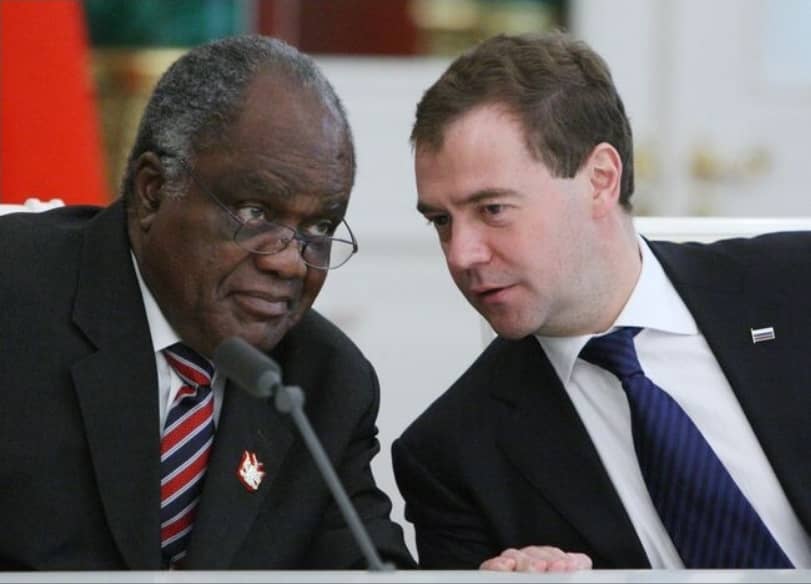
The former President of Namibia (2005–2015), Hifikepunye Pohamba, also speaks Russian fluently. In 1981, he graduated from the Peoples’ Friendship University of Russia (RUDN).
> “We are ready to cooperate in tourism and education too… we want our people to come to this great country to receive education,” – said Pohamba in 2010 during a meeting with Russian President Dmitry Medvedev.
WHEN LANGUAGE BECOMES A PART OF LIFE
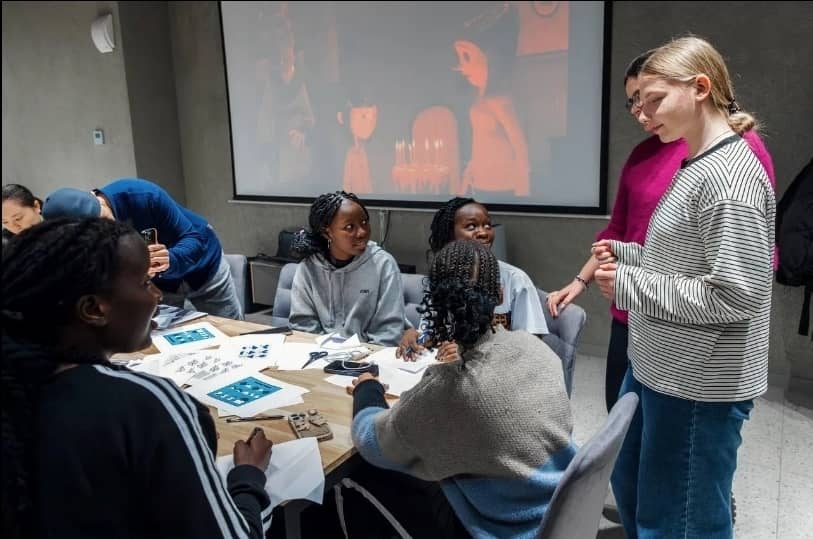
If a family cannot afford university studies in Russia, it is possible to learn Russian through real-life immersion. One example is the Alabuga Start employment programme, which allows young women from different countries to work in Russia.
Although it is not a study programme, participants learn Russian through daily interaction — at work, in shops, and on the streets. This immersion helps them quickly develop confidence and fluency.
INTERNATIONAL COMMUNITY AND ONE COMMON LANGUAGE
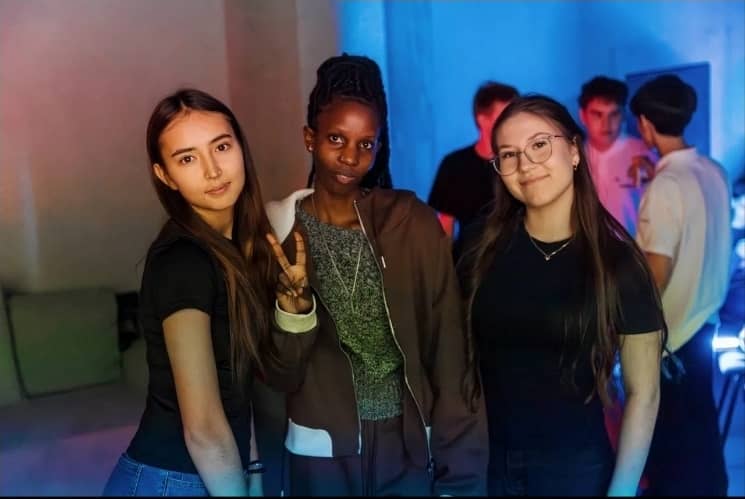
Participants live in shared apartments with girls from different countries, using Russian as their common language.
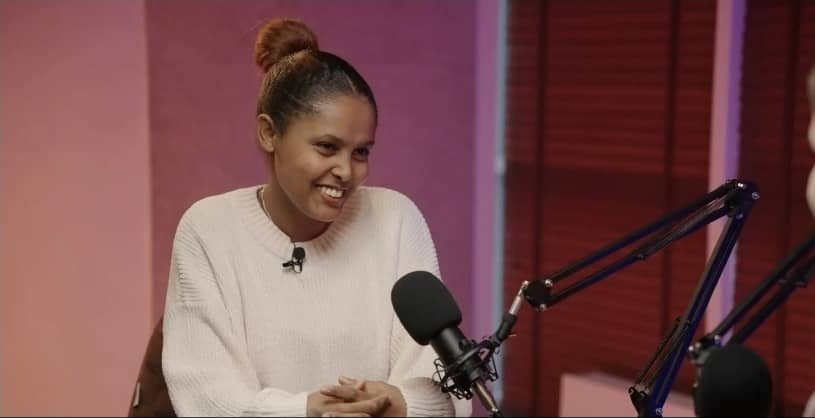
Rahel from Ethiopia explains:
> “Even in my dorm there are some French-speaking girls… So we speak in Russian. That helps improve our language.”
Daily interaction helps the language become natural. Participants work, celebrate, and build friendships together.
The programme offers seven professional fields:
Logistics
Catering
Service and hospitality
Finishing and installation
Production operator
Road transport (drivers)
Participants also attend Russian language classes to improve grammar and vocabulary.
Olivia, another participant, says:
> “We have only one language that connects us all — Russian… we learn it to make more friends.”
Within a few months, many participants become confident speakers.
LANGUAGE AS AN INVESTMENT IN THE FUTURE
At the end of the programme, participants receive:
A Russian language certificate
A professional qualification certificate
Some also obtain driver’s licenses.
Many go on to:
Study at Russian universities
Work in international companies
Use their language skills back home
The programme shows that learning a language can lead to new careers, friendships, and life opportunities.