
Shaping boards, inspiring women
STAFF WRITER
In an era where corporate leadership is rapidly evolving, few voices capture the intersection of purpose, resilience and strategic vision as powerfully as Emmah Mungoni (EM) — Vice Chairman of the Institute of Directors Zimbabwe (IoDZ) and Chief Financial Officer of BancABC.
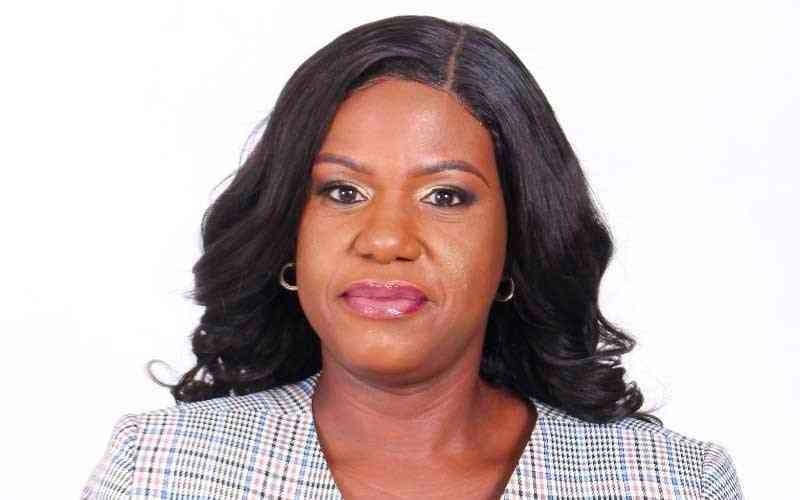
In this conversation with Zimhub Info (ZI), Mungoni reflects on the formative experiences that shaped her, the challenges that refined her leadership, and the values guiding her ascent to board-level influence.
What emerges is a portrait of a leader driven not only by professional excellence, but by a deep commitment to empowering others, especially women, to rise with confidence and intention.
ZI:Let’s start from the beginning. Can you tell us a bit about your upbringing, and how your childhood experiences shaped the woman and leader you are today?
EM: I grew up in a home where hard work, discipline, and faith were not just values but a way of life. My mother was a strong, determined woman who ran her own grocery shop, and from a very young age, she made sure I was part of it.
She taught me how to manage stock, handle customers, and balance accounts — lessons that unknowingly laid the foun- dation for my financial career. Beyond the business skills, she taught me resilience and the quiet strength of a woman in business.
My father, on the other hand, never saw gender as a limitation.
He believed in me as much as he believed in each of my brothers and sisters.
His confidence in me nurtured my own belief that I could achieve anything I set my mind to. Those two influences – discipline from my mother and belief from my father – have shaped the woman and leader I am today.
ZI: Many people see the successful professional you are now, but what were some of the early challenges or turning points in your career that prepared you for boardroom leadership?
EM: Early in my career, I quickly learned that being compe- tent wasn’t enough — you had to be resilient and intention- al. In male-dominated environments, I often had to prove myself more than once.
There were times I had to work ten times harder just to be seen, but that process built my endurance and shaped my leadership style — one rooted in excellence, not entitlement.
Another turning point was when I moved into my first executive finance role. I realised that leadership wasn’t just about numbers; it was about people, influence, and creating a vision others could believe in.
Those experiences prepared me for the responsibility and accountability that come with board-level leadership.